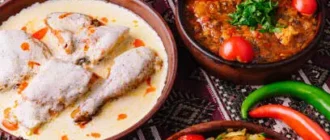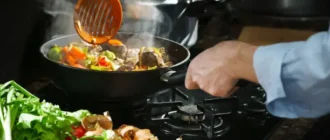

It is now that people even want to eat restaurant-kind of recipes at home. Even with a packed schedule, office work, classes, and family duties, you can create some of the most delicious-looking and -tasting dishes just by knowing a few secrets. What restaurant-style cooking means is not that one has to add fancy or complex ingredients, but the use of proper ingredients in a proper way, a correct balance of flavors, and eye-catching serving. Creating high-quality restaurant-inspired meals at home not only adds richness and excitement to the taste but also makes cooking more fun. Follow these easy steps, and you can serve stunning food to your family and guests in 30 minutes.
Choose Fresh Ingredients
The number one secret to restaurant-style taste is fresh ingredients. With the fresh ingredients of chicken and fish, meat and vegetables, and herbs, dishes are naturally rich in taste and aroma. Frozen or outdated ingredients diminish taste, and the texture is hard, then soggy, which does not lend to a restaurant feel. Fresh garlic, ginger, and herbs bring dishes to life with their full-bodied fragrance.

Cook with the goodness of the best quality ingredients and spices that enhance cooking time and add nutrition. (If you’re using stuff that’s fresh and local, the natural flavors will still shine through, and this way your gratin looks and tastes pro.) Fresh ingredients are what help a simple recipe turn out restaurant-style and make every bite taste delicious.
Proper Marination
The key to restaurant-style food is great marination! Marinate chicken, fish, or meat for at least 30 minutes, but overnight is better, as both taste and tenderness are enhanced. Marinades are now made with a bonanza of yogurt, lemon juice, olive oil, herbs, and spices. Yogurt can tenderize the proteins, adding lemon juice will boost flavor, and olive oil will help you cook them with ease! Marinating preserves the natural juices of the proteins, resulting in a succulent restaurant taste. For instance, if you rest garlic-herb chicken in yogurt along with garlic paste,
Heat Control and Searing
The texture and the flavor of restaurant-style dishes depend on heat control, which relies on searing. Searing proteins over high heat caramelizes their surface and turns them golden brown, boosting flavor and aroma. Stir-frying is an excellent way of maintaining the crispness and color in vegetables by cooking them on a high flame. To cook out the delicate fish and shrimp, you’ll want to do so over medium-low heat so that the crustaceans or filets stay tender and juicy. Proper heat management eliminates overcooking or undercooking, and the taste of a perfect meal is to be had. This method will elevate even the most basic of recipes and make them restaurant-quality. With the perfect combo of pan, oven, and flame, the texture and taste of every dish is professional.
Importance Of Heat Control
“Searing” and “heat control” are factors that can determine the texture and fattiness of restaurant-style dishes, so torching up the flame is key to making things taste right.
Searing Proteins Perfectly
Sealing the proteins at high heat causes the outside to caramelize and color up nicely, mostly due to the Maillard reaction, which also changes flavor and aroma.
Cooking Vegetables Correctly
Vegetables that have been quickly stir-fried over high flame are crisp and colorful, while delicate items like fish and shrimp need to be gently cooked over medium-low heat.
Achieving Balanced Flavors
With precise temperature control, you will prevent your cooking from burning out and overcooking or even drying out the food, which means you can provide your family with meals that are both delicious and healthy. Properly control heating time and temperature to make the food maintain the best taste. Even simple functions such as a rotisserie and a dehydrator can enrich your cooking.
Layering Flavors
Every layer adds flavor, and even simple ingredients contribute a gourmet, deep flavor. It’s the best way to have the goodness of natural sweetness. spice, and creaminess all together in one dish. The proper way in which to layer the lasagna ensures a luxurious, professional taste and is probably the simplest and most successful way to give it that restaurant quality.
- Then add spices. Spices have a distinct flavor. You want them to release their scent into the oil and deepen.
- And then tomatoes and other liquids. Add it; it will help in the proper cooking of your masala.
- But yogurt, yeah, fresh herbs. Add it for the smoothness and coolness.
Proper Cooking Time
Timing the cooking perfectly is also what separates restaurant-style dishes. The precise cooking time preserves the texture, moistness, and flavor of every dish. If you’re new to the technique, follow the timers and step-by-step; every element will come out at that perfect cooking stage and be ready for chefy plating.

Importance Of Cooking Time
It’s all about timing: once you get the cooking time right, there is no area where restaurant-style curries cannot be replicated, minus, of course, the ambiance and time-bound freshness.  Serve it hot with rice or chapattis.
Avoid Overcooking Proteins
Overcook protein, and it becomes dry and tough; undercook it, and you’ve got a dish that’s unsafe to eat as well as unappealing.
Perfectly Cooked Pasta Vegetables
Cooking the pasta or rice al dente and leaving the vegetables crisp and healthy renders it balanced, tasty, and bright.
Timing Multi-Component Dishes
Controlling the timing is crucial with multi-component dishes so that everything can be cooked evenly, at once, and served together.
Both Spices And Sauces
For restaurant tasting, Spice Sauce proportions Consistency is important. You have to treat every spice and ingredient with respect, lest the dish be either overwhelmed or flat. Cream, lemon juice, butter, and wine are a few of the ingredients that enliven the taste. For instance, if you use butter and cream in balance when cooking up Chicken Alfredo, it is creamy and rich, but at a point of excess, it can make the flavor heavy. Powerful. Out of balance. Perfectly seasoned spices and sauces give you the most authentic, gourmet flavor! This is the most consequential step in elevating a humble recipe into something professional and restaurant-worthy.

Importance Of Spice Balance
Keeping the perfect balance of spices and sauces is key to getting that restaurant-style taste; it may end up too spicy or bland.
Understanding Ingredients And Roles
Spices should be utilized judiciously, and all the ingredients used should be well known to one so that it never springs on the wrong side in taste.
Elevating Taste With Additions
It’s creamy, rich, and gourmet without being heavy because ingredients like cream, butter, lemon juice, and wine are added in just the right amounts to punch up the flavor.
Achieving Professional Flavor
Well-balanced seasonings and sauces make mediocre recipes restaurant-worthy or professional; each dish becomes an authentic delight that surprises even the cooks!
Garnishing And Presentation
Restaurant-caliber dishes are not only for taste but also for “wow” from the eye-to-mouth presentation. Fresh herbs, lemon wedges, edible flowers, or a sauce drizzle take it over the top. The dish should have perfect color, texture, and layout.

Resting And Serving Temperature
Resting the proteins keeps them juicy and tender after you cook them. 5-10 minutes of resting chicken, beef, or fish gives time for the juices to travel back through and be evenly distributed, making each bite juicy! It is also important to keep warm for pasta and vegetables. Keeping hot dishes warm and cold courses cold ensures that food tastes the way it is meant to be enjoyed. All of these fairly invisible techniques—resting a piece of meat, serving something hot but not scalding hot—all add up and can make the difference between professional cooking and home cooking.
Conclusion
The key to replicating restaurant-style dishes at home isn’t about fancy ingredients or complex techniques. Freshly ground ingredients, correct marination, management of heat control of the cooking process, proper layering and balance of flavors, perfect cooking time, and use of spice (i.e., masala) in bringing out the special taste make each dish a culinary masterpiece. It is possible that you can make restaurant-style dishes at home whose taste, aroma, and visual appeal are perfect. Yes. These methods are simple enough for beginners and chefs alike and will raise your cooking confidence. e
FAQs
How can a main course in the style of a restaurant not taste like home?
Restaurants cook with good ingredients, seasoning, and skills. At these kitchens, a heightened level of attention to heat control and presentation brings taste up a notch.
How do restaurants taste so good at home?
Fresher is better, toast your spices gently, and sear those bad boys down over a high flame. ” Stir in garlic, butter, lemon juice, and fresh herbs at the end for a touch of luxury.
Do we need marination for restaurant taste?
Yes, marinating can tenderize meat and add flavor. Marinate the mix of yogurt, lemon juice, garlic, and spices for at least 20-30 minutes.
How important is presentation?
Presentation is very important. Place it on a clean plate, make a nice presentation, and pour fresh herbs or sauce over it. First, it’s good to look at and then eat.
How do I get restaurant-quality gravy texture?
Heat the gravy on a low flame and allow it to simmer for the flavors to combine. If you add a little butter or cream, you get a creamy, rich texture.
How about cooking with high heat?
A high oven temperature also caramelizes the surfaces of meats and vegetables, producing a smoky richness. This process is known as searing or grilling.
What special equipment is required?
You will not have to have one (although I recommend one), but a heavy-bottom pan, nonstick skillet, or grill pan all come in handy here. And preparation is easy with a good knife and chopping board.
What is the role of sauces in a restaurant dish?
Sauces complete the dish. A well-seasoned sauce—one with salty, sweet, sour, and spicy qualities—brings that professional restaurant-like flavor.
How to capture all that smoky flavor at home?
(You can also cook them with a touch of butter in a grill pan over high heat.) In certain dishes, the charcoal smoke technique may also be applied for added flavor.
Can even a basic recipe be restaurant-ified?
Absolutely! After all, there is hardly any difference between a wet noodle and a dry noodle save for proper seasoning, neat plating, fresh garnish, and correct cooking technique. It is the small things that take a dish to another level.